
Email Address : WangChems@proton.me
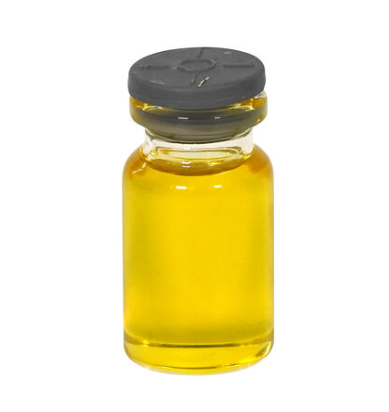
What is 2-Bromovalerophenone? Chemical Properties and Applications

What is 2-Bromovalerophenone? It is a chemical compound with a growing relevance in various fields of research and industry. Known for its distinctive structure and chemical properties, this compound serves as an essential building block in organic synthesis, pharmaceuticals, and other specialized applications. In this article, we will explore what 2-Bromovalerophenone is, delve into its chemical properties, and highlight its key applications and safety considerations.
Understanding 2-Bromovalerophenone
2-Bromovalerophenone is an organic compound classified as a brominated ketone. Its molecular formula is C11H13BrO, and it is characterized by a bromine atom attached to the second carbon of a valerophenone chain. Valerophenones are a group of compounds known for their versatile applications, and brominated derivatives like 2-Bromovalerophenone are particularly significant due to their enhanced reactivity.
The compound has the following structural features:
- A phenyl group (C6H5-) that provides aromatic stability.
- A ketone group (C=O) that serves as a functional site for various reactions.
- A bromine atom, which increases the compound’s electrophilicity and makes it a useful intermediate in organic synthesis.
Chemical Properties of 2-Bromovalerophenone
Understanding the chemical properties of 2-Bromovalerophenone is crucial for its effective use in scientific and industrial applications. Below are some of its notable properties:
- Physical Appearance:
- 2-Bromovalerophenone typically appears as a crystalline solid or powder with a white to off-white coloration.
- Molecular Weight:
- The molecular weight of 2-Bromovalerophenone is approximately 241.13 g/mol.
- Melting Point and Boiling Point:
- It has a melting point ranging from 40°C to 45°C and a boiling point around 285°C.
- Solubility:
- The compound is moderately soluble in organic solvents such as ethanol, methanol, and dichloromethane, while being less soluble in water.
- Reactivity:
- The bromine atom on the compound’s structure makes it highly reactive in nucleophilic substitution and other organic reactions.
- Stability:
- 2-Bromovalerophenone is stable under standard conditions but may degrade when exposed to strong acids, bases, or extreme temperatures for prolonged periods.
Synthesis of 2-Bromovalerophenone
The synthesis of 2-Bromovalerophenone involves the bromination of valerophenone derivatives. The process typically includes the following steps:
- Starting Material:
- Valerophenone is used as the base material.
- Bromination Reaction:
- The bromination is carried out using bromine (Br2) or a brominating agent such as N-bromosuccinimide (NBS) under controlled conditions to ensure selective substitution at the second carbon.
- Catalysts and Solvents:
- Solvents like acetic acid or chloroform are often employed to facilitate the reaction, along with catalysts to improve yield.
- Purification:
- The final product is purified through recrystallization or distillation to achieve high purity levels suitable for specific applications.
Applications of 2-Bromovalerophenone
2-Bromovalerophenone’s unique chemical structure and properties make it a valuable compound in several domains:
- Organic Synthesis:
- As a reactive intermediate, 2-Bromovalerophenone is widely used in the synthesis of complex organic molecules. Its bromine atom facilitates the introduction of additional functional groups, making it a cornerstone in the production of pharmaceuticals and agrochemicals.
- Pharmaceutical Industry:
- The compound serves as a precursor for developing various drugs. Its ability to form derivatives through substitution reactions makes it integral to medicinal chemistry.
- Material Science:
- In advanced material research, it is used to synthesize polymers and other materials with tailored properties.
- Chemical Research:
- Researchers often use it to study reaction mechanisms and to develop novel catalytic systems.
- Specialized Applications:
- Its reactivity also makes it useful in synthesizing fragrances, dyes, and other fine chemicals.
Safety and Handling Considerations
While 2-Bromovalerophenone is a valuable chemical, it requires careful handling due to its reactive nature and potential health risks.
- Health Hazards:
- Direct exposure can cause skin and eye irritation. Inhalation of dust or fumes may lead to respiratory issues.
- Prolonged exposure may have toxic effects, so proper protective equipment (gloves, goggles, and masks) is essential.
- Storage:
- The compound should be store in a cool, dry, and well-ventilate area, away from sources of heat and direct sunlight.
- Disposal:
- Disposal must comply with local regulations. Avoid releasing the compound into the environment and use proper chemical waste disposal methods.
- Emergency Measures:
- In case of accidental exposure, rinse the affected area with plenty of water and seek medical attention if symptoms persist. For spills, use appropriate containment and cleanup procedures.
Environmental Considerations
The production and disposal of 2-Bromovalerophenone should be manage responsibly to minimize environmental impact. Its brominated nature means it could pose risks to aquatic ecosystems if not handled properly. Regulatory guidelines often require companies and laboratories to implement eco-friendly practices during its use and disposal. It is a versatile compound with diverse applications in organic synthesis, pharmaceuticals, and material science. Its chemical properties, particularly its reactivity and stability, make it an invaluable tool for researchers and industries. However, its use requires careful attention to safety protocols and environmental considerations. As research into brominated ketones and their derivatives continues, it is likely to play an increasingly significant role in advancing chemical innovation and technology.
