
Email Address : WangChems@proton.me
The Role of 1,4-Butanediol in Sustainable Plastic Production

In an era where environmental sustainability is becoming a paramount concern, industries are striving to innovate and adopt greener alternatives. One of the significant advancements in the pursuit of sustainability is the use of 1,4-butanediol (BDO) in the production of biodegradable plastics. This blog delves into the essential role of BDO in sustainable plastic production, exploring its properties, applications, and impact on reducing environmental waste.
Understanding 1,4-Butanediol (BDO)
1,4-Butanediol is a versatile organic compound with the chemical formula C4H10O2. It is a diol, meaning it contains two hydroxyl groups, which makes it a valuable building block in various chemical processes. BDO is primarily used as an industrial solvent and as a precursor in the production of several important chemicals, including polyurethanes, tetrahydrofuran (THF), and gamma-butyrolactone (GBL).
Chemical Properties of BDO
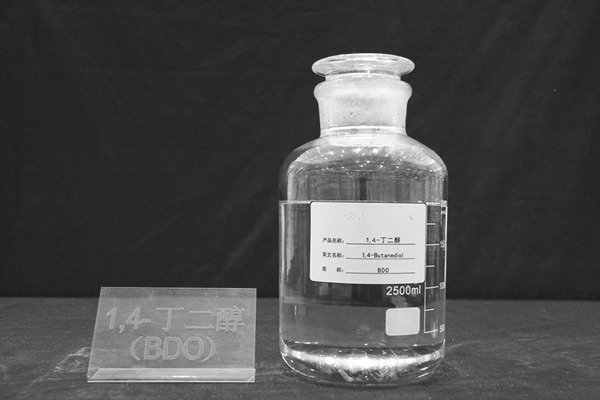
BDO is a colorless, viscous liquid at room temperature with a relatively low toxicity compared to other industrial solvents. Its hydroxyl groups make it highly reactive, enabling it to participate in various chemical reactions. These properties contribute to its utility in producing polymers and other derivatives.
BDO in Plastic Production
One of the most critical applications of BDO is in the production of polybutylene terephthalate (PBT), a thermoplastic engineering polymer. PBT is widely used in automotive, electrical, and electronic industries due to its excellent mechanical properties and chemical resistance. However, the role of BDO extends beyond traditional plastic production, particularly in the development of sustainable and biodegradable plastics.
Biodegradable Plastics: The Need for Sustainability
The global plastic waste crisis has spurred the demand for sustainable alternatives. Conventional plastics, derived from non-renewable fossil fuels, pose significant environmental challenges due to their non-biodegradable nature. As a result, biodegradable plastics have emerged as a promising solution to mitigate plastic pollution.
BDO and Polybutylene Succinate (PBS)
Polybutylene succinate (PBS) is one of the biodegradable plastics that benefits significantly from BDO. PBS is synthesized through the polymerization of succinic acid and BDO. This biopolymer is known for its excellent biodegradability and compostability, making it an ideal material for applications like packaging, agricultural films, and disposable items.
Production Process
The production of PBS involves the esterification of succinic acid with BDO, followed by polycondensation. The resulting polymer can be processed using conventional plastic manufacturing techniques such as injection molding and extrusion. PBS exhibits properties similar to traditional plastics, such as polyethylene and polypropylene, but with the added advantage of being biodegradable.
Advantages of BDO in Sustainable Plastic Production
1. Renewable Feedstock
One of the significant advantages of using BDO in sustainable plastic production is the potential for renewable feedstock. BDO can be derived from bio-based sources such as sugar, corn, and biomass through fermentation processes. This bio-based BDO reduces the reliance on fossil fuels and contributes to a lower carbon footprint.
2. Enhanced Biodegradability
Plastics produced with BDO, such as PBS, exhibit enhanced biodegradability. Under appropriate environmental conditions, these plastics can break down into water, carbon dioxide, and biomass, reducing their impact on landfills and oceans. This biodegradability aligns with the principles of a circular economy, promoting recycling and composting.
3. Versatility and Performance
BDO-based biodegradable plastics offer versatility in applications. They can be used in various industries, including packaging, agriculture, and consumer goods, without compromising performance. The mechanical properties of these plastics, such as strength, flexibility, and thermal stability, make them suitable for a wide range of products.
4. Reduced Environmental Impact
The use of BDO in sustainable plastics contributes to a significant reduction in environmental impact. By replacing conventional plastics with biodegradable alternatives, industries can minimize plastic waste, reduce greenhouse gas emissions, and promote sustainable resource use. Additionally, the biodegradation process prevents long-term pollution and helps preserve natural ecosystems.
Challenges and Future Prospects
Challenges in BDO Production
Despite its advantages, the production of bio-based BDO faces several challenges. The fermentation process requires optimization to achieve high yields and cost-effectiveness. Additionally, scaling up bio-based BDO production to meet industrial demand remains a challenge. Investments in research and development are crucial to overcoming these barriers.
Market Adoption and Consumer Awareness
The adoption of BDO-based biodegradable plastics also depends on market dynamics and consumer awareness. While the demand for sustainable products is growing, there is still a need for increased awareness and education about the benefits of biodegradable plastics. Government policies and regulations play a critical role in promoting the use of sustainable materials.
Innovations and Future Trends
The future of BDO in sustainable plastic production is promising, with ongoing innovations and research. Scientists are exploring new feedstock sources, such as algae and waste materials, to produce bio-based BDO. Additionally, advancements in polymer science are leading to the development of new biodegradable plastics with improved properties and functionalities.
Conclusion
1,4-Butanediol (BDO) plays a pivotal role in the production of sustainable and biodegradable plastics. Its chemical properties, combined with the potential for renewable feedstock, make it a valuable component in addressing the global plastic waste crisis. By promoting the use of BDO-based plastics like polybutylene succinate (PBS), industries can contribute to a more sustainable future, reducing environmental impact and fostering a circular economy. While challenges remain, continued research, innovation, and collaboration among stakeholders will pave the way for broader adoption of sustainable plastic solutions.
