
Email Address : WangChems@proton.me
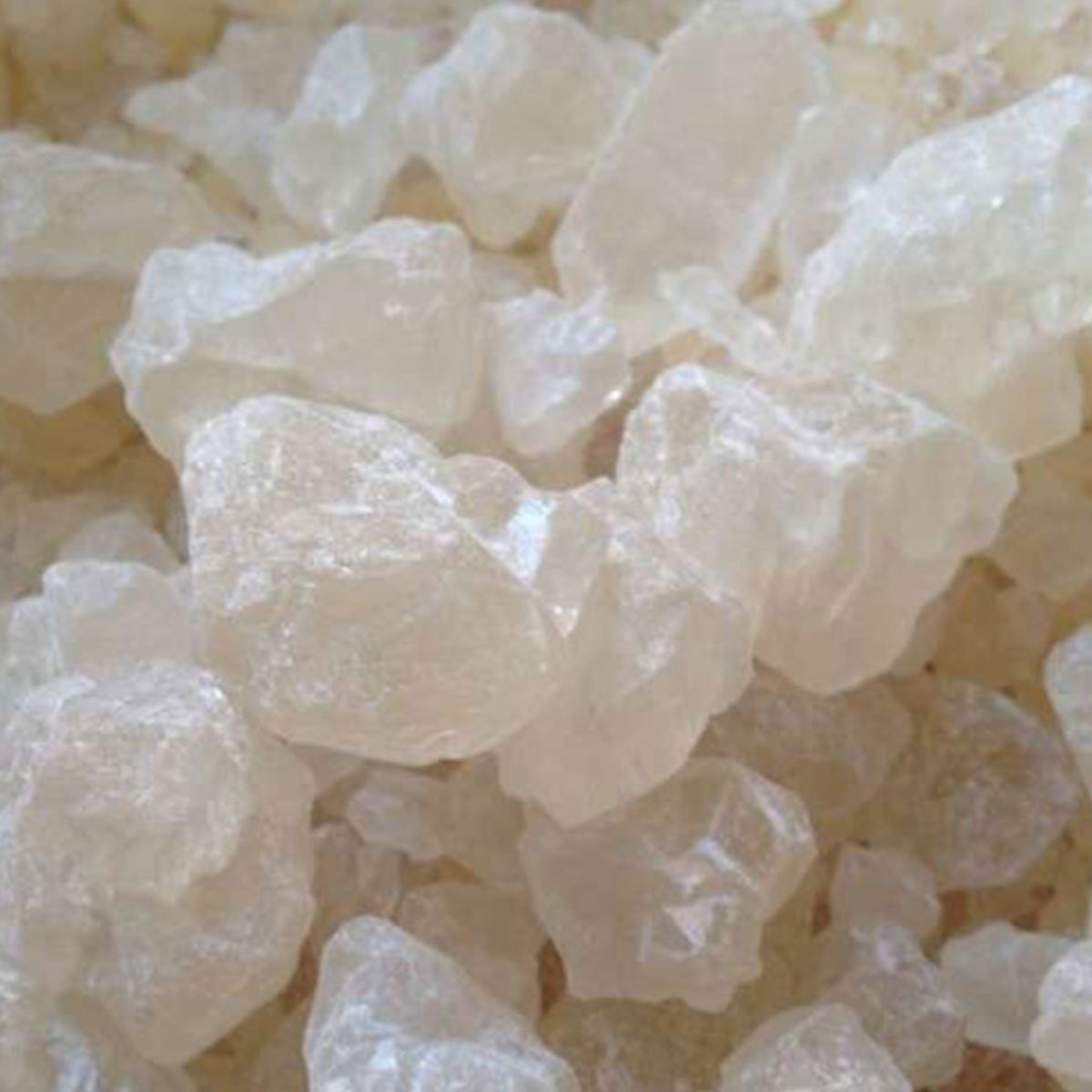
How is Ethylone Used?

Ethylone, also known as 3,4-methylenedioxy-N-ethylcathinone, is a synthetic stimulant belonging to the cathinone class of drugs. It shares structural similarities with MDMA (ecstasy) and methylone, and it is often used recreationally for its psychoactive effects. In this blog, we will explore the various aspects of ethylone usage, including its methods of consumption, effects, risks, and legal status.
Methods of Consumption
Ethylone can be consumed in several ways, depending on the preference of the user. The most common methods include:
- Oral Ingestion: The most common method of consuming ethylone is by swallowing it in pill or capsule form. Users may also mix the powder with a liquid, such as water or juice, for easier ingestion.
- Snorting: Some users choose to snort ethylone powder. This method allows the drug to be absorbed quickly through the nasal membranes, leading to a faster onset of effects.
- Intravenous Injection: Although less common due to the risks involved, some individuals may inject ethylone directly into the bloodstream. This method results in a rapid onset of effects but increases the risk of complications such as infections and overdose.
- Rectal Administration: Another less common method is rectal administration, where the drug is absorbed through the lining of the rectum. This method can lead to a more intense experience due to higher bioavailability.
Psychoactive Effects
Ethylone produces a range of psychoactive effects, which are often described as a combination of stimulant and empathogenic properties. These effects include:
- Euphoria: Users often report feelings of intense happiness and well-being. This euphoric state is a key reason why ethylone is used recreationally.
- Increased Energy and Alertness: Similar to other stimulants, ethylone can boost energy levels, making users feel more awake and alert. This effect can be appealing for individuals looking to enhance their social experiences or stay awake for extended periods.
- Enhanced Sociability and Empathy: Ethylone is known for its empathogenic effects, which enhance feelings of empathy and connection with others. Users may feel more open, talkative, and willing to engage in social interactions.
- Sensory Enhancement: Many users report heightened sensory perception, where colors may appear more vibrant, music sounds richer, and physical sensations are intensified.
Duration of Effects
The effects of ethylone typically last between 4 to 6 hours, depending on the dose and the method of consumption. After the peak effects subside, users may experience a gradual comedown, which can include feelings of fatigue and depression.
Risks and Side Effects
Despite its pleasurable effects, ethylone use comes with several risks and potential side effects. These include:
- Short-term Side Effects:
- Increased heart rate and blood pressure
- Nausea and vomiting
- Anxiety and paranoia
- Insomnia and restlessness
2. Long-term Risks:
- Repeated use of ethylone can lead to psychological dependence and addiction. Users may develop a tolerance, requiring higher doses to achieve the same effects.
- Chronic use can also have detrimental effects on mental health, leading to anxiety, depression, and cognitive impairments.
- Physical health risks include cardiovascular issues, such as heart disease, and potential liver and kidney damage.
3. Overdose:
- Overdosing on ethylone can result in severe health complications, including hyperthermia, seizures, and even death. Symptoms of overdose require immediate medical attention.
Legal Status
The legal status of ethylone varies by country and region. In many places, ethylone is classified as a controlled substance due to its potential for abuse and lack of recognized medical use. In the United States, for example, ethylone is listed as a Schedule I substance under the Controlled Substances Act, making its manufacture, distribution, and possession illegal.
Harm Reduction Strategies
For those who choose to use ethylone despite the risks, harm reduction strategies can help minimize potential harm:
- Dosage Control: Start with a low dose to gauge the body’s reaction and avoid potential overdose.
- Set and Setting: Use the drug in a safe and comfortable environment with trusted friends. Avoid using it alone or in unfamiliar settings.
- Stay Hydrated: Drink water regularly to prevent dehydration, but avoid excessive water intake, which can lead to hyponatremia (low sodium levels).
- Avoid Mixing Substances: Mixing ethylone with other drugs or alcohol can increase the risk of adverse effects and overdose.
- Know the Source: Ensure that the substance is obtain from a reliable source to avoid adulteration with other harmful substances.
Conclusion
Ethylone is a synthetic stimulant with psychoactive properties that appeal to recreational users for its euphoric and empathogenic effects. However, its use is associated with significant risks, including addiction, mental health issues, and the potential for overdose. Legal restrictions further complicate its use, making it important for individuals to understand the implications and practice harm reduction if they choose to use it. As with any psychoactive substance, informed and cautious use is essential to minimize risks and protect one’s health.
